

Proximate fireworks, or those used in close proximity to an audience, have become enormously popular. As you can imagine, however, placing untrained people close to large pyrotechnic effects can dramatically increase the potential dangers. Consequently, proximate fireworks displays are specially regulated and managed to keep everyone safe while providing an excellent show.
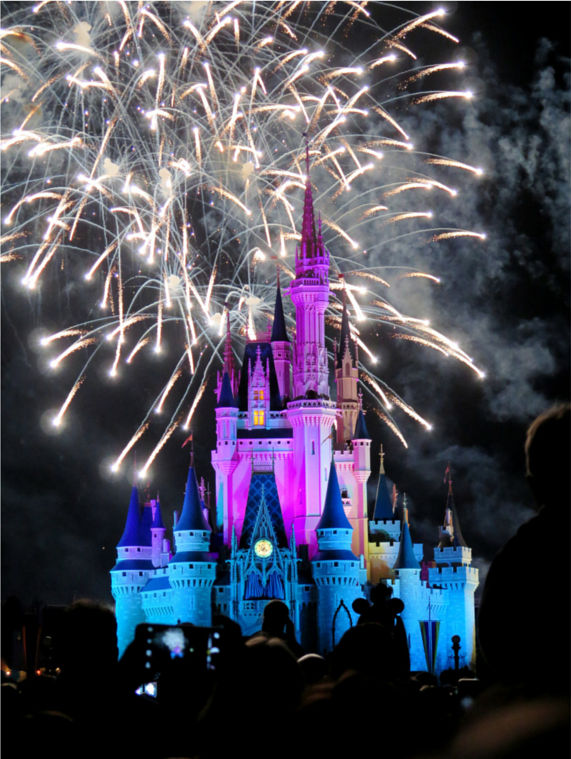
What Are Proximate Fireworks?
There is no single official definition of proximate fireworks. Some professional associations and local jurisdictions only consider fireworks to be “proximate” if they are used indoors. Some define “proximate” fireworks as those that are lit or explode within a certain number of feet from the audience, regardless of whether the display is indoors or outdoors.
Proximate fireworks are also known by quite a few other names, including theatrical pyrotechnic effects or theatrical special effects. For simplicity, we will use the term in a general way to describe any fireworks or related effects that take place within a few feet of their audience or the general public.
Who Uses Proximate Fireworks?
Proximate fireworks are used in a wide variety of applications, from theme park displays to local festivals. They are sometimes used in stage plays and musicals, and are a crowd-pleaser for many professional wrestling events. However, rock concerts are arguably the most familiar use of proximate fireworks for many audiences.
Pink Floyd generally gets credit for inventing the modern pyrotechnics-heavy stadium show, while such bands as Kiss, Rammstein, Mötley Crüe, and Def Leppard helped the genre to evolve with their over the top theatrics. Metallica inadvertently demonstrated the risks as well as the rewards in 1992, when front man James Hetfield accidentally stood on top of a 12-foot pyrotechnic blast, but managed to rejoin the tour just 17 days later.
Today, audiences expect proximate fireworks at virtually any major stadium show or commercial display. This breeds healthy competition that can take fireworks displays to the next level, but also creates regulatory and safety headaches for the pyrotechnicians in charge.
How Are Proximate Fireworks Regulated?
Proximate fireworks are regulated via a complex patchwork of federal, state, and local laws. At the federal level, fireworks laws fall under the joint purview of the ATF (Bureau of Alcohol, Tobacco, Firearms and Explosives), the CPSC (Consumer Product Safety Commission), and the National Fire Protection Association (NFPA).
Those who plan to purchase, store, or use display fireworks must obtain a professional fireworks license from the ATF, while the CPSC bans certain dangerous explosives such as M-80s and Cherry Bombs altogether.
The NFPA Standard 1126, Standard for Use of Pyrotechnics Before a Proximate Audience, is not federal law, and it has not been adopted by every state. However, it is the most comprehensive federal standard currently on the books for proximate fireworks, and voluntary adoption is highly recommended even in states that do not require it. In addition, most states and local jurisdictions place their own restrictions on professional fireworks, particularly those that are considered proximate.
Depending on your location and the types of effects that you plan to use, you might need to pass a written test, undergo a safety training course, prove that you have prior experience with professional fireworks displays, or take similar actions in order to legally use proximate fireworks.
At a minimum, almost every locale requires pyrotechnicians to file for permits before any indoor fireworks show, and this regulation is often extended to outdoor displays as well, particularly if proximate fireworks are involved. Check with your state and local authorities well in advance to ensure that you are on the correct side of the law.
Safe Use of Proximate Fireworks
Because proximate fireworks present special safety challenges, it is extremely important to follow top-notch safety protocols during every stage of planning, designing, and executing the show. The American Pyrotechnics Association has put forth a detailed checklist for proximate pyrotechnics, which can be adapted to the unique needs of each show.
Proximate fireworks add a powerful and dynamic element to fireworks displays and major arena shows, but they also bring a whole new level of challenges and safety concerns. If you are a pyrotechnics professional who is ready to take your shows to the next level, take the time to research the relevant laws and recommendations, and never skimp on safety protocols. When handled safely, legally, and responsibly, however, proximate fireworks can truly take your displays over the top.
At Dynamite Fireworks, we don’t only sell top-quality, name-brand fireworks. We also provide the information you need to know to use them responsibly, legally, and safely. If you have any questions or concerns, give us a call at (219) 937-4090. We look forward to becoming your one-stop shop for all your fireworks needs!